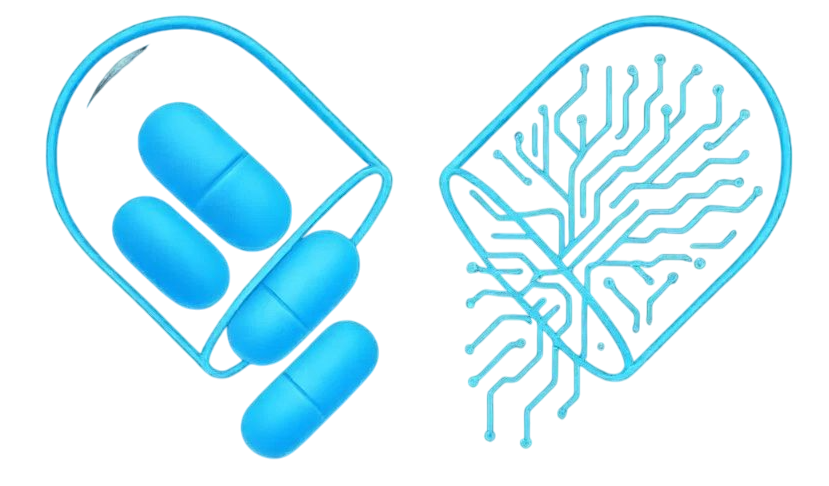

The Internet of Things (IoT) has rapidly transformed multiple industries, and healthcare is no exception. With the rise of interconnected devices, IoT healthcare solutions are reshaping how patients receive care and manage their medications. This transformation is pivotal for addressing common challenges in patient safety, treatment efficacy, and overall healthcare delivery. By leveraging continuous data streams, IoT technology provides real-time visibility into medication adherence that was previously impossible to achieve, marking a new era of digital health management.
1What Are IoT Healthcare Solutions?
IoT healthcare solutions refer to the comprehensive ecosystem of connected devices—such as smart medical sensors, wearables, automated pill dispensers, and mobile health applications—that collect, transmit, and analyze health data in real time over the internet. These smart systems bridge the gap between patients and healthcare providers, enabling remote monitoring and swift intervention when health metrics deviate from normal ranges. By seamlessly integrating into a patient's daily life, these devices operate continuously in the background, minimizing the disruption of medical regimens.
Unlike traditional healthcare models that rely on periodic in-person visits to assess patient health and adherence, IoT systems adopt a proactive paradigm. They allow doctors to gain an unfiltered, continuous perspective on a patient's well-being. From tracking vital signs to confirming that a prescribed medication has actually been taken, these solutions reduce the reliance on self-reporting, which is notoriously prone to bias and forgetfulness. Consequently, IoT creates a unified network of health intelligence that empowers both the patient and the care provider.
2The Role of IoT in Medication Management
Medication management has predominantly relied on manual systems, pillboxes, and patient memory, all of which are prone to significant errors. Implementing IoT pill dispensers radically changes this paradigm by providing an automated and connected approach. Patients receive accurate doses precisely when needed, completely removing the guesswork from complicated medication schedules. This is particularly crucial for individuals managing multiple chronic conditions, where taking the wrong pill or missing a dose can result in severe health complications.
Modern IoT dispensers go beyond just ringing an alarm. They use advanced sensors to confirm that a pill has been removed from the dispenser and frequently log the exact time of consumption. If a dose is missed, the system can escalate alerts—first notifying the patient via their smartphone, and if ignored, sending an automatic alert to an authorized family member or healthcare provider. This multi-tiered alert mechanism ensures that adherence issues are addressed immediately, rather than discovered weeks later at a follow-up appointment.
Automated real-time dispensing linked to smart schedules
Instant multi-tiered alerts for patients and remote caregivers
Comprehensive tracking and logging of medication adherence rates
Secure dispensing mechanisms to prevent over-medication and errors
3Transformative Benefits for Providers and Patients
For healthcare providers, IoT systems offer unprecedented visibility into patient compliance. Armed with data-driven insights sourced directly from interconnected health monitors, doctors can dynamically refine prescriptions. If an IoT wearable detects a concerning heart rate spike that correlates with a missed medication dose, the physician can reach out proactively. This transition from reactive care to proactive health management drastically lowers the risk of emergencies and hospital readmissions.
For patients, particularly the elderly or those with cognitive impairments, these smart health devices restore independence and significantly reduce anxiety associated with managing complex drug regimens. Family members also experience profound peace of mind, knowing they will be alerted if something goes wrong. Furthermore, IoT automation removes the daily friction of organizing pills, reading microscopic labels, and doubting whether a dose was already taken, streamlining the patient's daily routine.
4Real-World Impact and Case Studies
The theoretical benefits of IoT in healthcare are backed by compelling real-world evidence. Several large-scale pilot programs have demonstrated the efficacy of connected medication management systems. For instance, a recent study focusing on hypertensive patients equipped with IoT pill dispensers and connected blood pressure cuffs showed a remarkable improvement in blood pressure control over a six-month period.
Senior Care Facility IoT Integration
A prominent assisted living facility integrated smart IoT dispensers into the rooms of 200 residents. The devices were connected directly to the central nursing station. Within the first quarter, medication administration errors dropped by 94%, and nursing staff saved an average of 1.5 hours per shift—time that was reallocated to direct patient care. Moreover, the facility reported a 20% reduction in medication wastage.
These case studies prove that IoT is not just a technological novelty; it is a vital infrastructural upgrade that delivers tangible clinical and operational returns. By automating the mundane yet critical aspects of care, healthcare professionals can focus more on patient interaction and complex medical decision-making.
5Addressing Security and Privacy Concerns
With the proliferation of connected health devices, data security and patient privacy have emerged as paramount concerns. IoT healthcare solutions constantly transmit sensitive, protected health information (PHI). To comply with rigorous regulations such as HIPAA in the United States and GDPR in Europe, manufacturers must embed robust security protocols directly into the hardware and software layers of these devices.
Modern IoT pill dispensers employ end-to-end encryption to ensure that intercepted data cannot be deciphered by unauthorized parties. Additionally, these systems use strict authentication mechanisms; data sent to caregiver dashboards or physician portals requires secure logins and biometric verification. Manufacturers are also implementing over-the-air (OTA) update capabilities to swiftly patch any identified vulnerabilities. By prioritizing "security by design," healthcare providers can confidently deploy IoT solutions without putting patient confidentiality at risk.
End-to-End Encryption
Military-grade encryption for all data in transit and at rest.
Authentication
Multi-factor authentication (MFA) required for caregiver access.
Regulatory Compliance
Strict adherence to HIPAA, GDPR, and other global privacy laws.
OTA Updates
Seamless remote security patches delivered directly to the device.
6Interoperability with the Broader Healthcare Ecosystem
For IoT healthcare solutions to reach their full potential, they cannot operate in silos. The true power of these systems lies in their interoperability—their ability to seamlessly communicate with Electronic Health Records (EHRs), pharmacy management software, and other clinical tools. When an IoT dispenser integrates with an EHR, the patient's adherence data becomes a holistic part of their medical history.
This integration enables automated refill requests directly sent to the patient's pharmacy when the smart dispenser detects low stock. It ensures that physicians reviewing a patient's chart can immediately see real-time adherence graphs overlaid with recent lab results. Despite challenges posed by fragmented software landscapes and proprietary communication standards, industry-wide initiatives are pushing for standardized APIs (Application Programming Interfaces) to foster an interconnected, unified digital healthcare ecosystem.
Frequently Asked Questions
1. What are IoT healthcare solutions?
IoT healthcare solutions involve interconnected devices—such as smart sensors, wearables, and medication dispensers—that collect and exchange health data over the internet to improve patient care.
2. How does IoT improve medication management?
IoT improves medication management by offering real-time tracking, automated reminders, and instant alerts to caregivers, ensuring patients take the right dose at the right time.
3. Are IoT pill dispensers secure against hacking?
Yes, modern IoT pill dispensers employ robust end-to-end encryption, multi-factor authentication, and over-the-air firmware updates to ensure that sensitive health information remains secure and private.
4. Does an IoT dispenser require an internet connection to work?
While an internet connection is required for remote alerts and data syncing, most premium IoT dispensers can continue to dispense medication on schedule locally even if the Wi-Fi briefly drops out.
5. How do these devices help caregivers?
They provide detailed dashboards and instant mobile notifications, allowing caregivers to verify medication adherence remotely. This eliminates the need for constant phone calls and significantly reduces caregiver burnout.
Conclusion
Integrating IoT healthcare solutions into daily routines represents a monumental leap forward in medical technology. By effectively mitigating the risks of poor adherence, these connected systems empower patients to take control of their health journeys seamlessly. As these intelligent systems become more pervasive, both medication management and overall patient safety are poised to reach unprecedented levels, heralding a future where technology and human care are perfectly intertwined.